
Explore Latest Insights
 28th January 2026
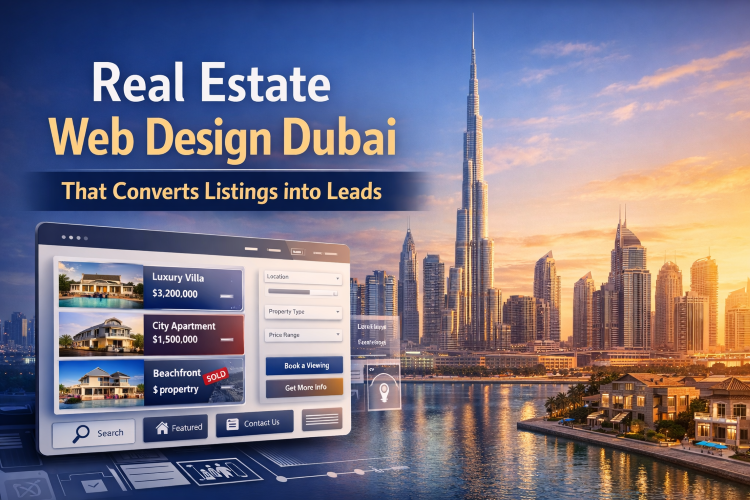
Dubai Real Estate Web Design That Converts Listings into Leads
In the competitive world of real estate in Dubai, a website is more than just an online listing tool. It’s the digital storefront that showcases properties, highlights services, and most importantly, drives real estate lead generation. Real estate web design Dubai has evolved to not only display property listings but also to create engaging, user-focused experiences that convert casual visitors into serious leads.
Whether you’re a real estate agent, developer, or property investor, having a high-performing property website design UAE is essential for business growth. In this article, we’ll explore the key components of a real estate website that successfully turns property listings into valuable leads, with a focus on real estate UX design, real estate landing pages, and other best practices that maximize conversion rates.
The Power of Web Design in Real Estate Lead Generation
When it comes to real estate lead generation, your website plays a pivotal role. It's not just about showcasing your properties but also providing an experience that keeps visitors engaged and encourages them to take action. Whether your goal is to capture leads through forms, call-to-actions (CTAs), or booking appointments, the design elements of your website can make or break your conversion efforts.
Key Factors in Real Estate Lead Generation:
-
User-Friendliness: Visitors should find the website intuitive and easy to navigate, with clear paths to explore properties and inquire.
-
Appealing Design: Aesthetically pleasing websites attract attention and hold interest, but the focus should also be on providing an efficient experience.
-
Mobile Optimization: The UAE has a high rate of mobile users, so it’s essential to have a mobile-friendly design that loads quickly and is responsive on all devices.
-
Clear CTAs and Contact Options: Your website should include multiple options for visitors to reach out, whether through forms, live chats, or contact numbers.
Real estate web design Dubai has to be more than just functional; it needs to provide a seamless path to conversion.
What Makes Property Website Design in the UAE Unique?
When designing a property listing website in the UAE, the local market and audience preferences must be considered. Dubai’s real estate market is diverse, with a mix of luxury, commercial, and residential properties. Your website needs to cater to this diversity, while also reflecting the premium nature of the UAE’s real estate offerings.
Key Elements of Property Website Design UAE:
-
Luxury-Focused Aesthetics: In a city known for its luxury real estate, a property website design UAE should reflect a high-end, sophisticated feel. Large, high-quality images, elegant fonts, and a clean, minimalist layout all contribute to a premium user experience.
-
Interactive Features: Integrating interactive features such as property search filters, interactive maps, and virtual tours can significantly enhance the user experience.
-
Localization: Use the right language and currency symbols, and cater to both Arabic and English-speaking users. A multi-language option is crucial to accommodate the diverse demographic in the UAE.
-
SEO and Speed Optimization: The Dubai real estate market is highly competitive, so your website must rank well on search engines like Google. Fast loading speeds, SEO-optimized content, and high-quality backlinks are all necessary for achieving top rankings.
Real Estate UX Design: Enhancing User Experience for Better Conversions
Your website’s real estate UX design should focus on making the user journey as smooth as possible. Whether visitors are looking for their dream home, investment opportunities, or commercial spaces, a well-designed user experience guides them effortlessly toward their goals.
Key Principles of Real Estate UX Design:
-
Simple Navigation:
-
Keep the menu structure intuitive and easy to navigate.
-
Categories like “For Sale,” “For Rent,” “New Developments,” and “Off-Plan Properties” should be clearly visible and accessible.
-
-
Property Search Functionality:
-
Advanced search filters should allow users to refine results based on location, price, size, and amenities.
-
Include options for sorting properties by most recent, price range, or best match.
-
-
High-Quality Visuals:
-
Real estate is a visual industry. High-resolution images, videos, and 360-degree virtual tours provide a richer experience for the user.
-
Property listings should showcase both interior and exterior views, and details like floor plans and neighborhood photos are essential.
-
-
Easy-to-Fill Forms:
-
Forms should be simple, without asking for too many details. Request only the necessary information such as name, email, and message or property interest.
-
Use smart forms that auto-fill details when possible to save users time.
-
The Importance of Real Estate Landing Pages
A real estate landing page is a dedicated page designed to capture leads for a specific property, project, or offer. Landing pages are highly effective because they focus on a single objective: conversion.
Key Components of a Real Estate Landing Page:
-
Strong Headline and Subheadline:
-
The headline should grab the visitor’s attention, focusing on the value of the property or the offer. For example, “Luxury Villas in the Heart of Dubai – Schedule a Private Viewing Today.”
-
-
Property Details and Features:
-
Include essential information about the property, such as location, amenities, price, and size.
-
Highlight features that appeal to potential buyers, such as proximity to landmarks, malls, or schools.
-
-
Lead Capture Form:
-
Include a short, user-friendly lead capture form. Ask for details like name, email, phone number, and preferred contact time.
-
Offer a clear incentive, such as a free property guide, price breakdown, or consultation, in exchange for their contact information.
-
-
Trust-Building Elements:
-
Add client testimonials, reviews, or trust seals that validate the credibility of your business.
-
Include a strong call-to-action (CTA) button, such as “Book a Viewing” or “Get More Information.”
-
Best Practices for High-Converting Real Estate Websites
Here are a few best practices that can help transform your real estate website into a high-converting lead generation tool:
-
Mobile-First Design:
With a significant portion of traffic coming from mobile devices in the UAE, your website must be optimized for mobile. Ensure that the design is responsive and that elements like buttons, forms, and CTAs are easy to tap. -
Fast Load Times:
Slow-loading websites result in higher bounce rates. A quick website not only improves user experience but also plays a crucial role in SEO. Compress images, reduce the number of plugins, and leverage caching strategies. -
Clear Call-to-Actions (CTAs):
Whether it’s scheduling a viewing, downloading a brochure, or contacting an agent, CTAs should be placed prominently on the website. Use contrasting colors to make them stand out and include them at strategic points on each page. -
Social Proof and Trust Signals:
Including social proof such as client reviews, awards, and affiliations with reputable organizations builds trust with potential clients. Displaying your affiliations with organizations like the Dubai Land Department can add credibility. -
Lead Nurturing:
Once you’ve captured leads, ensure that your sales team follows up quickly. Use email marketing to send automated property updates, relevant news, and exclusive offers to keep leads engaged.
Conclusion: Real Estate Web Design That Drives Success
A successful real estate web design Dubai strategy is about more than just showcasing properties; it’s about creating a user experience that not only attracts visitors but also encourages them to engage with your business. By implementing best practices in property website design UAE, real estate UX design, and landing page optimization, you can significantly improve your real estate lead generation and increase conversions.
A high-performing, visually appealing website that’s mobile-friendly, SEO-optimized, and user-centric will not only enhance your brand image but also drive real business growth. With the right web design strategy in place, your real estate website will become a powerful tool for converting listings into valuable leads.